




Traffic that does not stop with the budget
Paid traffic ends the day the campaign is paused. A product page that earns its position keeps bringing people to the same URL after the work is finished.
 Shopify Partner
Ecommerce SEO
Shopify Partner
Ecommerce SEO
Brands that grow choose us









Why search work pays
Search is slower to start than paid and harder to switch off. These are the six reasons stores put budget into it, and if none of them is the problem you have, we will say so.
Paid traffic ends the day the campaign is paused. A product page that earns its position keeps bringing people to the same URL after the work is finished.
Someone typing the product name is further along than someone shown an ad. That difference shows up in the conversion rate, not just in the session count.
Tags, filters and sort parameters generate near-identical URLs at scale. Getting that under control is most of what technical SEO on a store means.
Core Web Vitals work is search work and conversion work at once. The same theme, image and script fixes serve both, so neither is paid for twice.
Product, review and breadcrumb markup done properly lets a result show price, availability and rating instead of a plain blue line of text.
A store that grows only through paid and marketplaces is one policy change away from a bad quarter. Organic spreads that risk across more than one source.
What you are paying for
Search work goes wrong when nobody can say what was done in a given month. This is the scope, and the plan you sign names which of these the engagement covers.
Crawl and index coverage, canonicals, redirects and whatever Search Console is already reporting.
Collection and product structure, internal linking, and how many clicks a product sits from the homepage.
Which page owns which query, written down, so two of your pages stop competing for one term.
Titles, meta descriptions, headings and copy fixed at the template so they hold for the whole catalogue.
Product, breadcrumb, FAQ and review markup emitted by the theme, so it stays correct as products change.
Theme, image, font and app script work measured against field data rather than a single lab score.
Buying guides and comparison content that answer real queries, and outreach that earns links honestly.
Search Console, analytics and position tracking set up so you can see what changed and when it changed.
What we do
Content written before the technical problems are fixed is content nobody finds. Pick a strand to see what it involves and what you get out of it.
The part of the job that has to come first. Until a search engine can crawl the store cleanly and pick the right URL for each product, nothing written on the page counts for much.
How the catalogue is organised decides which pages can rank at all. Collections are the pages that win category queries, and on most stores they are a grid with no reason to exist.
Fixed at the template so a change holds across the catalogue, then written by hand for the pages that carry the money. A store with 2,000 products cannot be optimised one page at a time.
Measured on field data from real visitors, because a lab score on a fast connection is not what gets reported. Most of the wins on a Shopify store are in images, fonts and app scripts.
Emitted by the theme from the store data, so it stays true as prices, stock and reviews change. Markup pasted into a page as static text goes stale the first time a product does.
The slowest strand and the one most often sold dishonestly. We do outreach and digital PR around things worth linking to, and we do not buy links or place them on networks.
How the work runs
Most search retainers that waste money did the phases out of order, writing content onto a store that could not be crawled properly in the first place.
What is happening now
A full crawl, Search Console and analytics read, and a record of where every important page sits today. Without a baseline there is no way to prove later that anything changed.
One page per job
The queries worth chasing, matched to the page that should own each one. This is where we find the pages competing with each other, which is the most common problem on a grown catalogue.
Blockers before anything else
Crawl, index, canonical and redirect problems cleared first, in the theme. Content written before this phase is content that will not be found, so the order is not negotiable.
Fixed once, applied everywhere
Title patterns, headings, structured data and internal linking changed at the template level, then the highest-value pages written by hand.
The slow, compounding part
Guides and comparison pages that answer queries the store cannot answer yet, and outreach around assets a publisher has a reason to link to.
Every month, against the baseline
What moved, what did not, and what changes next. Reporting is against the baseline recorded in phase one, so progress is a comparison rather than a claim.
Before you commit
Send us your store URL and we will come back with the technical and on-page issues we can see, and which of them are worth fixing first. No obligation to hire us for the work.
No obligations. No spam.
Selected work
What changes
None of this is exotic. It is the set of decisions a store gets made for it by default, and the version of each one you would make on purpose.
| How the store is set up | A store as it ships | A store built for search After |
|---|---|---|
| URL structure | Tags, filters and sort parameters all crawlable | One canonical path per product and collection |
| Collection pages | A product grid and nothing else | Copy, internal links and a reason to rank |
| Product titles | Whatever the supplier feed called it | Written for how people search for it |
| Structured data | Whatever the theme happened to output | Product, breadcrumb and review markup that validates |
| Internal linking | Menu and footer only | Related products, collections and guides linked on purpose |
| Page speed | Apps and scripts added as they were needed | Measured on field data and given a budget |
| Duplicate content | Variants and filters making near-identical pages | Canonical rules that pick one page and stick to it |
| Reporting | Sessions, and a guess about why | Queries, pages and positions against a baseline |
Every row describes how a store is set up. Nothing here states a ranking outcome or another provider's published limits.
Talk to an SEO developerWhy Enstacked
An SEO app layers tags over a template it does not control, and it stops the day you uninstall it. We change the template, so the output is right for every product and it stays yours.
Most technical findings need a theme change to act on. The person who writes the recommendation is the person who can ship it, so nothing sits in a document waiting for a developer who was never booked.
Nobody controls a search engine, and any agency that guarantees a rank is either guessing or bidding on your brand name. We commit to the work, to the order it runs in, and to reporting honestly against the baseline.
The keyword map is written before any copy is, so your own pages stop competing for the same term. It is a document you keep, not something held in an account manager's head.
Core Web Vitals is measured on field data as part of the engagement. It is search work and conversion work at the same time, so it is not sold twice.
Search Console, analytics, the audit, the keyword map and the documentation are yours throughout. If you stop working with us, nothing has to be handed back or rebuilt.
Industries we work with
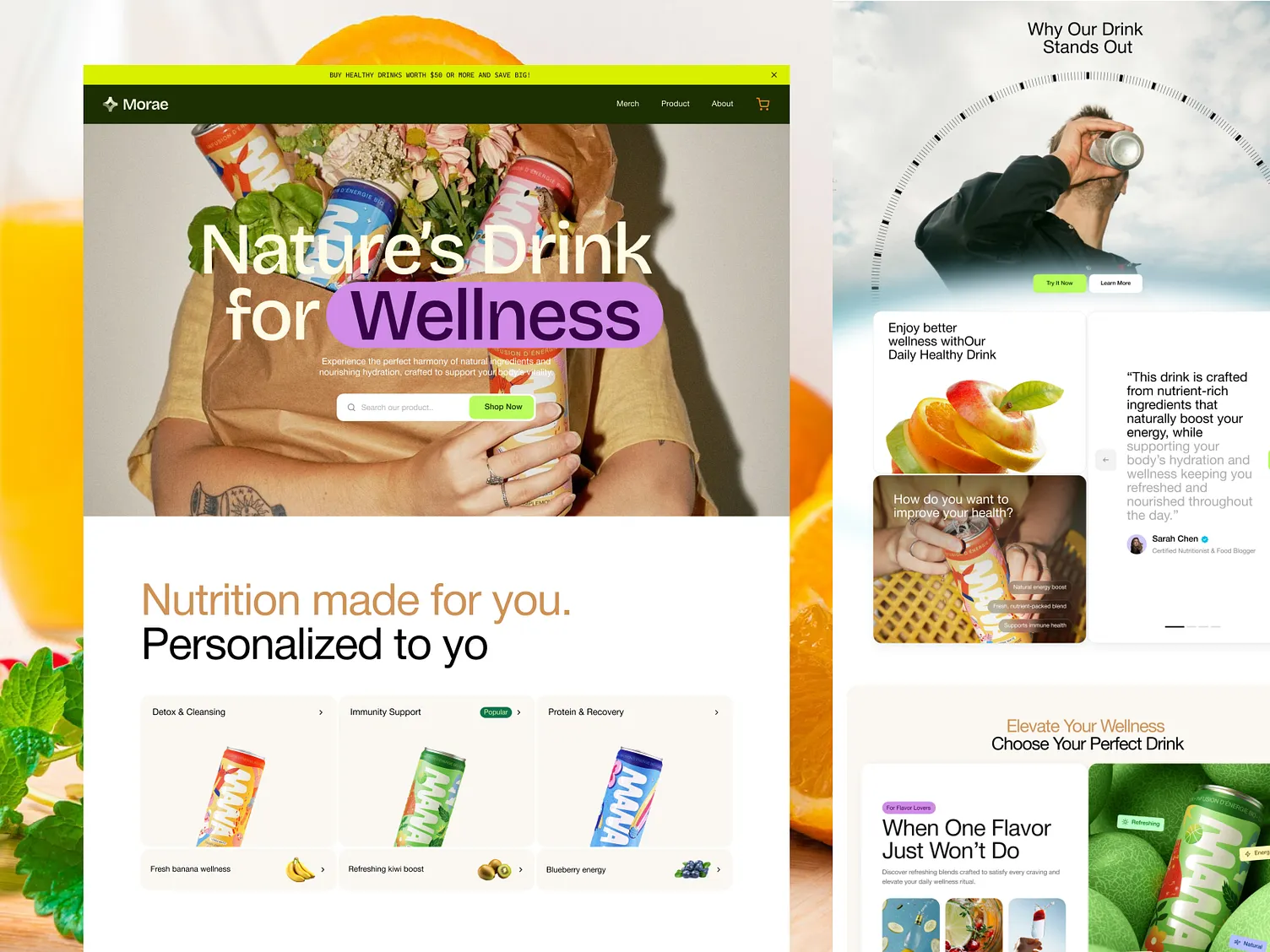
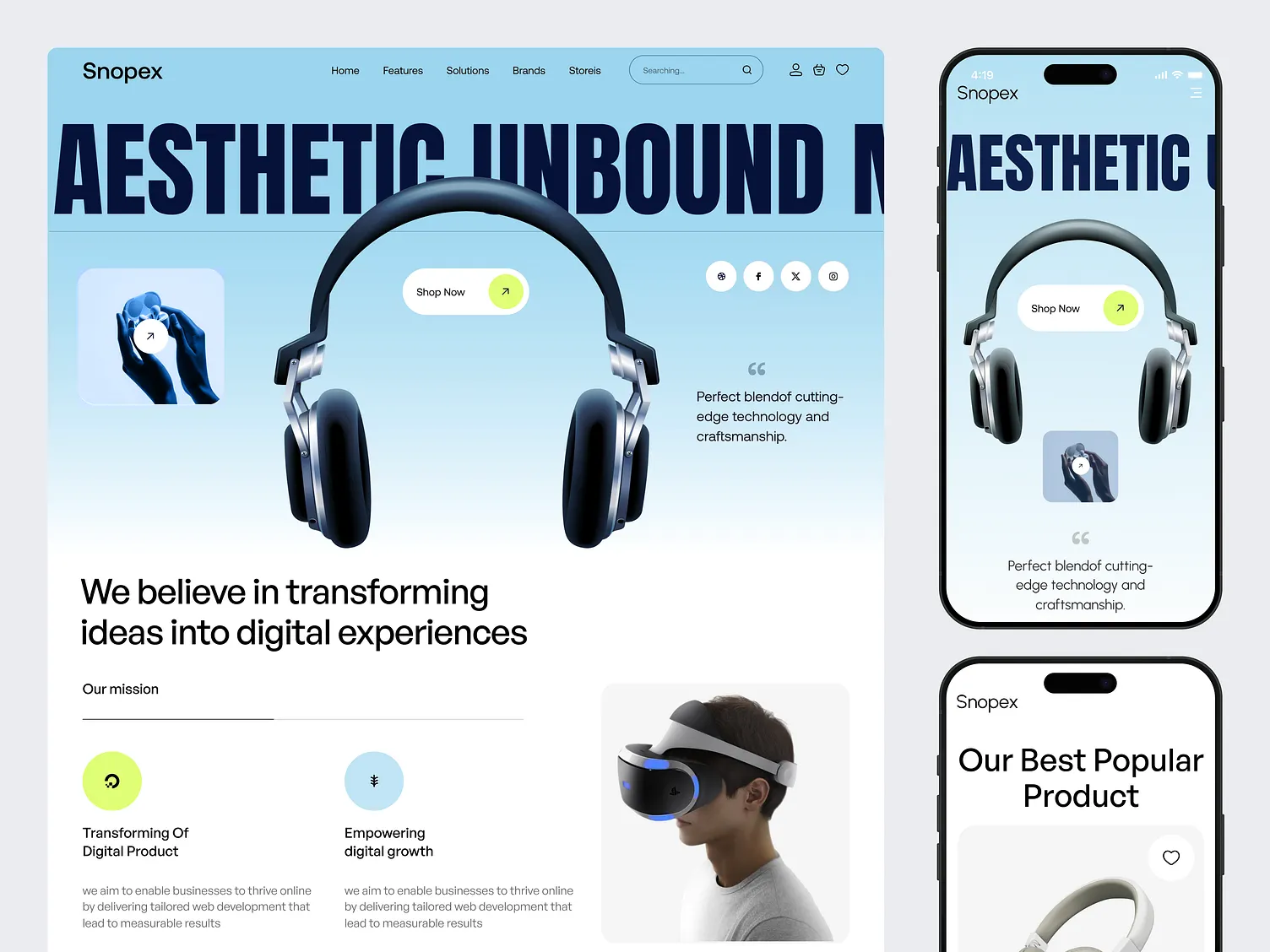
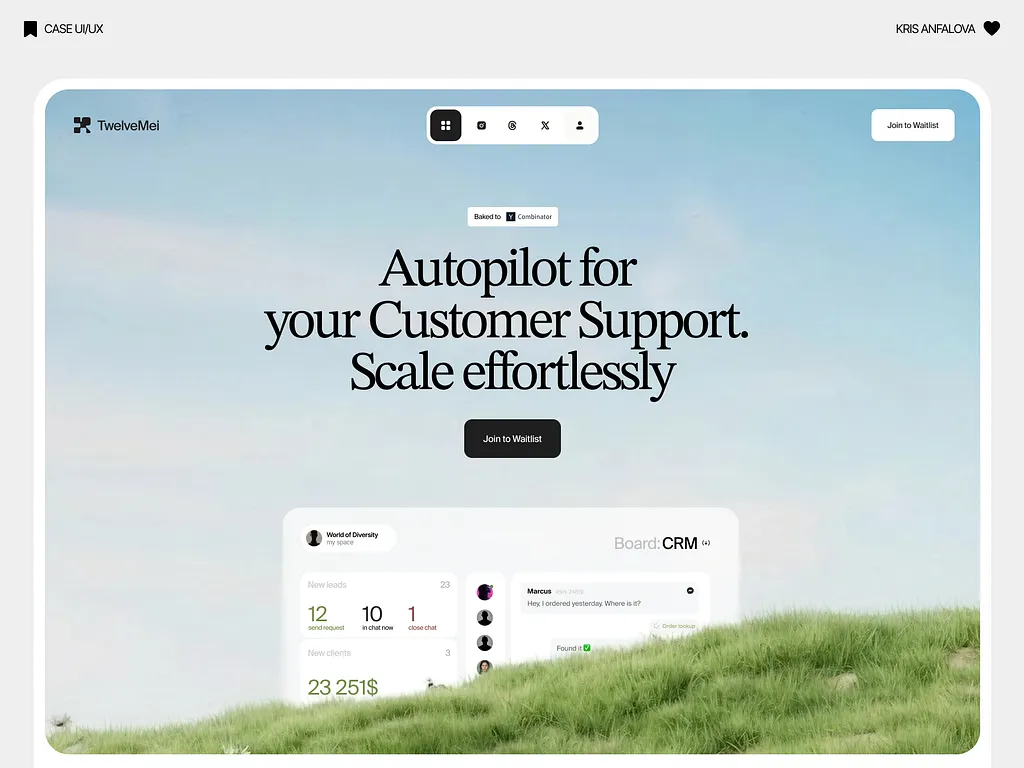
What makes a catalogue hard to rank differs by sector. Variant-heavy ranges, regulated claims, subscription products and wholesale pricing each change the structure, and each one is worth planning for.





How we work together
Every store arrives with a different amount already done, and some only need the audit. Pick where you want us to start, and the quote is scoped to that rather than to a package.
Custom
Most chosen
Custom
Custom
Client Testimonials
When we were looking to hire developers, we anticipated that it would be challenging to find the ideal developers for our team. Then we partnered with Enstacked and we are impressed by their expertise in hiring remote developers and their services.

We turned to this IT development company for custom software development, and they delivered beyond our expectations. Their ability to understand our unique business needs and provide tailored solutions has been invaluable to our growth and efficiency.

Enstakced has been doing an excellent job with the software and helping the client transform it into a SaaS platform. A responsive and organized team, their communication is awesome, with daily reports and regular calls for project updates. The team's availability has secured an ongoing partnership.

When we were looking to hire developers, we anticipated that it would be challenging to find the ideal developers for our team. Then we partnered with Enstacked and we are impressed by their expertise in hiring remote developers and their services.
We turned to this IT development company for custom software development, and they delivered beyond our expectations. Their ability to understand our unique business needs and provide tailored solutions has been invaluable to our growth and efficiency.
Enstakced has been doing an excellent job with the software and helping the client transform it into a SaaS platform. A responsive and organized team, their communication is awesome, with daily reports and regular calls for project updates. The team's availability has secured an ongoing partnership.
When we were looking to hire developers, we anticipated that it would be challenging to find the ideal developers for our team. Then we partnered with Enstacked and we are impressed by their expertise in hiring remote developers and their services.
We turned to this IT development company for custom software development, and they delivered beyond our expectations. Their ability to understand our unique business needs and provide tailored solutions has been invaluable to our growth and efficiency.
Enstakced has been doing an excellent job with the software and helping the client transform it into a SaaS platform. A responsive and organized team, their communication is awesome, with daily reports and regular calls for project updates. The team's availability has secured an ongoing partnership.
When we were looking to hire developers, we anticipated that it would be challenging to find the ideal developers for our team. Then we partnered with Enstacked and we are impressed by their expertise in hiring remote developers and their services.
We turned to this IT development company for custom software development, and they delivered beyond our expectations. Their ability to understand our unique business needs and provide tailored solutions has been invaluable to our growth and efficiency.
Enstakced has been doing an excellent job with the software and helping the client transform it into a SaaS platform. A responsive and organized team, their communication is awesome, with daily reports and regular calls for project updates. The team's availability has secured an ongoing partnership.
Insights & Resources
Strategies, practical tips and the updates worth knowing about if you sell on Shopify.
What store owners ask us before starting search work, answered straight.
Still have a question?
Send us your store URL and we will answer it against your actual setup rather than in general.
Ask us directlyTechnical fixes can show up in crawl and index reports within weeks, while position and traffic changes usually take months. What decides it is how competitive your queries are, how much of the technical work was blocking you, and how established the store already is. We record a baseline in the first phase precisely so that you can see movement rather than take our word for it.
No, and neither can anyone else. Nobody outside the search engine controls its results, and an agency that guarantees a position is either counting on a query nobody searches or bidding on your own brand name. What we commit to is the scope, the order the work runs in, and honest monthly reporting against the baseline.
Yes, with a few known constraints you plan around rather than fight. Clean URLs, fast hosting, editable metadata and a proper theme layer are all there. The constraints are the fixed URL prefixes, the way tags and filters generate crawlable duplicates, and blog structure. All three are handled with canonical rules and structure decisions rather than workarounds.
Usually not, and often the app is part of the problem. Most of them inject tags over a template they do not control, add a script to every page, and stop working the day you uninstall them. We make the same changes in the theme, so the output is correct for every product and you keep it whether or not you keep us.
It is quoted per store, because the range is genuinely wide. The variables are catalogue size, how much technical debt the theme carries, how competitive your queries are and whether content and outreach are in scope. The audit prices the work before you commit to anything, and there is no charge for that conversation.
It is one signal among many, and it matters more for conversion than most store owners expect. A slow product page loses buyers before it loses positions. We treat Core Web Vitals as part of the engagement rather than a separate project, measured on field data from real visitors rather than a single lab test.
The people who wrote the audit. Technical SEO findings need theme changes to act on, so the recommendation and the code come from the same team rather than a document being thrown over a wall. You get a named contact who stays on the store.
You keep everything. Search Console and analytics are your accounts throughout, the fixes are in your theme rather than in an app subscription, and the audit, keyword map and documentation are yours. Positions earned by structural and content work do not vanish because a retainer ended, though nothing stays still if competitors keep working.
Let us talk
Send us the store URL and what you are trying to grow. We will come back with what we can see and what we would fix first.
We respond within 24 hours
Fill out the form and our team will get back to you shortly.